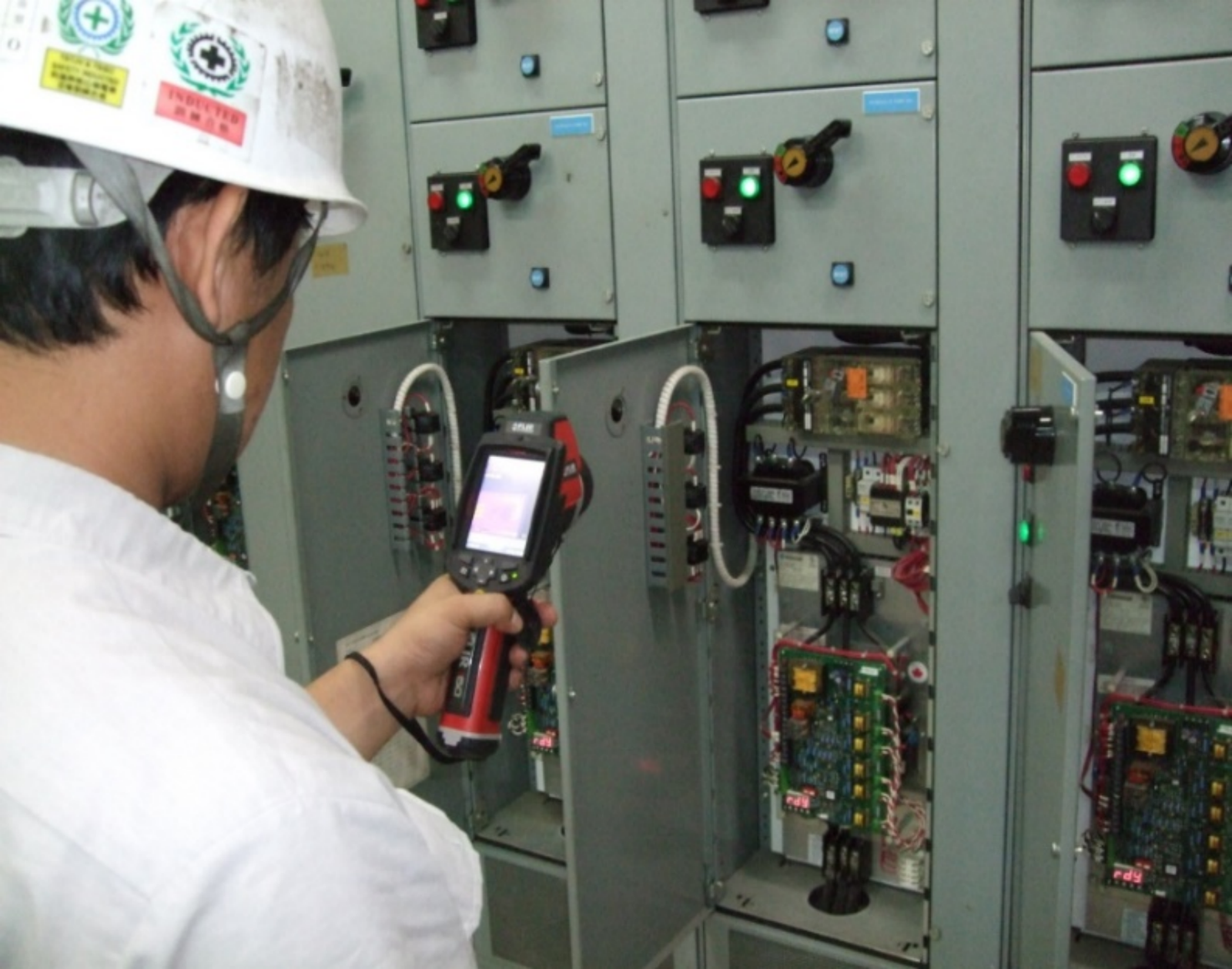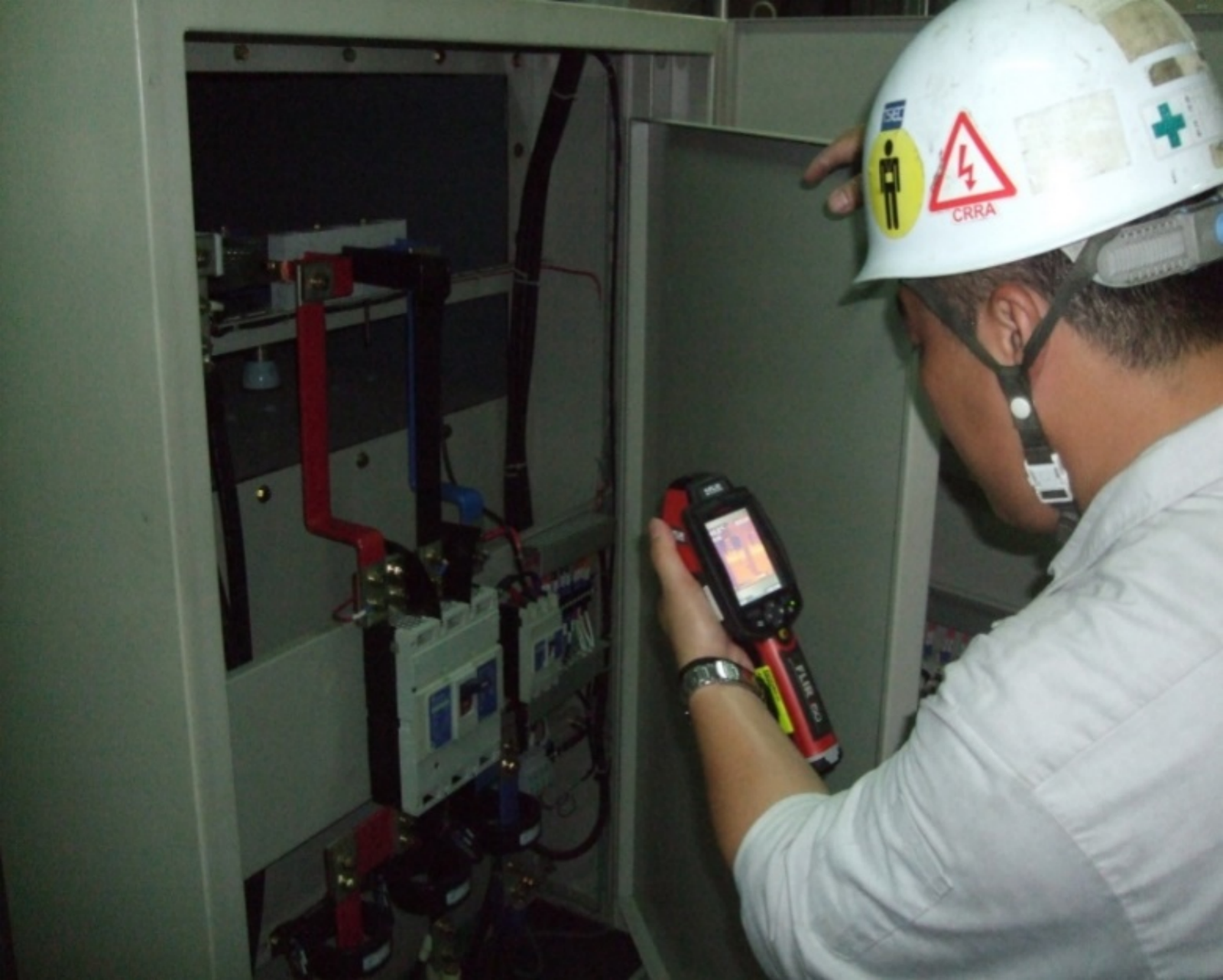

Infrared image detection
Infrared image detection (also known as infrared thermal imaging camera detection) is a non-destructive detection technology that uses infrared thermal energy to detect the temperature distribution of objects and help identify anomalies or potential problems. Through thermal imaging cameras, infrared thermal energy can be converted into visual thermal images to display the surface temperature of objects, and faults or potential risks can be judged based on temperature changes, such as abnormal heating of electrical equipment, leakage of pipelines, etc.
Application of infrared image detection:
The temperature distribution of the equipment is detected by the infrared thermal imaging camera, and potential failures are detected in advance, equipment failures and downtime are avoided, and maintenance costs and downtime losses are reduced.
Infrared thermal imaging cameras can quickly detect abnormal heat generation of electrical equipment, such as overheating of cable connectors, abnormal transformers, circuit breaker failures, etc., to reduce the risk of electrical fires.
Building structure inspection:
Infrared thermal imaging cameras can detect problems such as heat loss and poor heat insulation of buildings, helping to improve building energy efficiency and comfort.
Industrial equipment testing:
Infrared thermal imaging cameras can detect abnormal heat generation of factory equipment, such as machines and transmission devices, to reduce the risk of equipment failure and shutdown and improve production efficiency.
Infrared thermal imaging cameras can detect abnormal temperature distribution in the human body and assist in the diagnosis of certain diseases.
Infrared thermal imaging cameras can detect abnormalities in ambient temperature, such as the greenhouse effect and soil moisture.
Advantages of infrared image detection:
accuracy: The temperature of the object can be accurately measured to help accurately determine the fault.
Cost-effective: Through predictive maintenance, equipment maintenance costs and downtime losses are reduced, and the service life of equipment is improved.
Precautions for infrared image detection:
During testing, environmental factors such as direct sunlight and strong winds should be avoided to ensure the accuracy of testing.
Choose a suitable infrared thermal imager and understand its operation and application range.
Inspectors should receive professional infrared thermal imaging camera inspection training to understand the inspection principle, instrument operation and data analysis.
Conduct tests in accordance with relevant testing specifications to ensure the accuracy of the test results.
In short, infrared image detection is an efficient, accurate and safe detection technology that can be widely used in all walks of life to help improve equipment reliability, reduce maintenance costs and downtime losses, and improve equipment service life.